quality Tampa Venetian Plastering Services near you
Transform Your Living Spaces: Exploring Venetian Plastering Services Demystified
Venetian plastering is a sophisticated technique that has stood the test of time. With roots in ancient Rome and Venice, it delivers both aesthetic appeal and functional value. This distinguished craft turns walls into magnificent surfaces by way of a special mixture of components. As residents strive to improve their living spaces, appreciating the intricacies of Venetian plaster proves indispensable. So what truly makes this finish so appealing, and how can one secure the finest possible results?
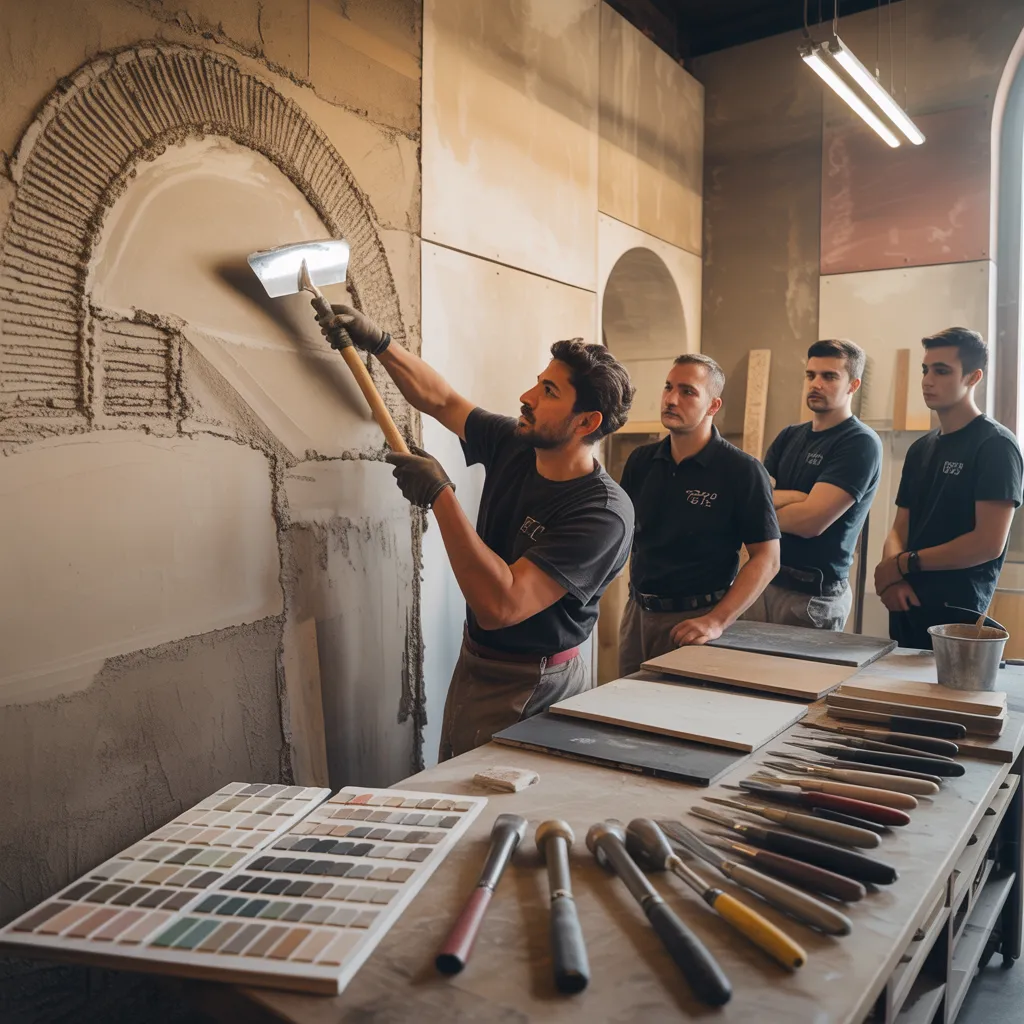
Exploring Venetian Plaster: History and Significance
Venetian plaster, a celebrated decorative method, boasts a rich history that traces back to ancient Rome and Venice. Originally employed to produce a durable and water-resistant surface, this technique developed into a true art form, characterized by its smooth, polished surface and luminous quality. Craftsmen utilized a blend of lime, marble dust, and pigments, permitting an extensive selection of textures and hues.
In the Renaissance era, Venetian plaster achieved recognition as an emblem of elegance and refinement, frequently gracing the churches and palaces of the aristocracy. Its value reached well past surface-level beauty; it represented a mastery of craftsmanship and a deep reverence for architectural beauty.
At present, this technique remains an inspiration to designers and homeowners alike, merging time-honored artistry with modern applications. Recognizing its rich historical context enhances the understanding of Venetian plaster as much more than a purely decorative selection, but rather a testament to the enduring legacy of artful expression in the realm of interior design.
Why Should You Choose Venetian Plaster for Your Home?
Choosing Venetian plaster for interior spaces offers a remarkable aesthetic appeal that elevates the beauty of every room. Its durability and longevity guarantee that the choice proves worthwhile long-term, while serving as an environmentally conscious choice aligns with sustainable living practices. Property owners looking for a blend of elegance and practicality will likely discover Venetian plaster to be a perfect solution.
Unmatched Visual Appeal
When looking for a distinctive appearance for living spaces, property owners often find that Venetian plaster provides a unique aesthetic appeal unlike any other wall treatment. This centuries-old technique, characterized by its sleek, lustrous surface, evokes a sense of luxury and distinction. The nuanced shifts in tone and finish produce a compelling visual impact, drawing the eye and enhancing the ambiance of any room. Venetian plaster may be used in a selection of applications, from classic to contemporary, facilitating customization that showcases personal taste. Its capacity to simulate the appearance of natural materials or produce a gentle, luminous sheen contributes richness and dimension to interior spaces. As a result, Venetian plaster turns ordinary walls into breathtaking centerpieces, elevating the entire look of a home.
Resilience and Long-Term Performance
While many wall treatments may fade over time, Venetian plaster distinguishes itself through its outstanding durability and longevity. This elegant coating is made with natural materials, providing a durable surface that can stand up to years of wear. As opposed to standard paint, which may crack or fade, Venetian plaster creates a strong adhesion to the surface, allowing it to preserve its quality for an extended period. Its unique composition allows it to repel humidity and mold growth, making it exceptionally well-suited to areas susceptible to moisture. Additionally, the finish can be readily refreshed, requiring little upkeep to keep it looking fresh. Homeowners appreciate that this enduring finish not only improves the overall look but also provides a functional, durable option for living areas.
Eco-Friendly Material Choice
Venetian plaster is renowned not only for its durability but also for its environmentally friendly properties. Crafted primarily from natural components such as lime, marble dust, and pigments, it presents minimal environmental consequences compared to synthetic options. This all-natural composition enables breathability, which aids in controlling indoor humidity and boosting air quality. Furthermore, Venetian plaster contains no harmful volatile organic compounds (VOCs), making it a healthier option for households, especially for those with allergies or sensitivities. Its longevity further contributes to sustainability, as it reduces the need for frequent replacements or repairs. By opting for Venetian plaster, homeowners not only improve aesthetics but also commit to a responsible, environmentally aware material that supports modern sustainable living standards.
Essential Materials for Venetian Plastering
The artistry of Venetian plastering is built upon a carefully chosen set of materials that are responsible for its remarkable surface quality and strength. At the heart of the mixture, the mixture typically includes slaked lime, which is critical to its suppleness and ventilation. This lime combines with carbon dioxide in the air, enabling the plaster to gradually set and solidify. Moreover, marble dust is often incorporated, delivering a refined surface that elevates the visual quality. The use of natural pigments can additionally enhance the appearance, allowing a wide range of hues that suit diverse interior styles.
Furthermore, top-grade tools, such as trowels, spatulas, and related implements, serve a critical function in attaining the intended results. The choice of these instruments and supplies greatly determines the final appearance and the plaster's workability, making them essential to the Venetian plastering process. In unison, these factors produce a lasting result that unites visual appeal with utility in contemporary interior spaces.
How to Apply Venetian Plaster: A Step-by-Step Guide
When applying Venetian plaster, the right tools are essential for a perfect finish. This guide details the critical tools and techniques required for project success. Comprehending every step will secure a high-quality professional result.
Required Essential Tools
To successfully apply Venetian plaster, the right tools are absolutely essential. A trowel, specifically a stainless steel one, is vital for achieving smooth, even layers. A float, often made of wood or plastic, helps to refine the surface texture and enhance the finish. Furthermore, a hawk makes it easy to access plaster while working on the wall. A sponge is ideal for delicate blending and final touches, producing a refined finish. A level is necessary to maintain consistent, even surfaces throughout the entire process. Lastly, premium Venetian plaster combined with the right primer ensures maximum adhesion and durability. Together, these tools create the foundation for a successful Venetian plaster application, assuring a stunning result.
Application Techniques Explained
Accomplishing a pristine Venetian plaster finish demands a methodical approach to execution. Initially, the surface needs to be thoroughly readied, confirming it is clean, dry, and smooth. Following this, a base coat is spread using a trowel, forming a consistent foundation. After drying, the artisan mixes the Venetian plaster, achieving the desired color and texture. The application commences with a fine layer, spreading the plaster in a circular motion to prevent lines. After this initial layer dries, subsequent coats are layered, each time easing the pressure to create depth. Lastly, a burnishing technique is used to polish the surface, elevating the luster. Thorough curing is vital, enabling the finish to set perfectly and guaranteeing longevity and beauty in the indoor environment.
How to Take Care of Your Venetian Plaster
Maintaining Venetian plaster demands a mindful approach to copyright its elegance and durability. Consistent care requires carefully wiping with a gentle damp cloth to eliminate dust and debris without harming the finish. Property owners try now ought to avoid strong chemicals and rough materials, as they may scratch or diminish the surface sheen.
Furthermore, it is crucial to keep an eye on humidity levels in the environment; excessive moisture can lead to the growth of mold or material degradation. Applying a protective sealant or wax every few years can improve durability and preserve the shine of the plaster surface.
When stains develop, immediate attention is recommended with a delicate soap blend, followed by a thorough rinse. In cases of more substantial damage, it is best to consult an expert to prevent additional harm. By following these maintenance recommendations, Venetian plaster can remain a stunning and enduring feature in any interior space.
Top Mistakes to Avoid When Hiring Venetian Plastering Professionals
What do homeowners need to think about when choosing Venetian plastering specialists? One typical oversight is not checking qualifications and experience. Experts should possess appropriate certifications and a demonstrated history in Venetian plastering methods. Furthermore, homeowners frequently underestimate the importance of examining portfolios. A thorough examination of past work can provide insight into an artist's style and skill level.
One other common error is failing to obtain a number of bids. Reviewing multiple quotes works to confirm competitive pricing and highlights the range of services offered. Homeowners would do well to avoid hastily moving through the hiring process; taking time to ask questions about materials and methods can prevent future issues.
Lastly, it's crucial to confirm the timeline and warranty details before beginning the job. By sidestepping these errors, property owners can secure a positive and fulfilling Venetian plastering experience, transforming their interiors with great results.
Frequently Asked Questions
Can Venetian Plaster Be Applied Over Existing Paint or Wallpaper?
Absolutely, Venetian plaster can be installed over an existing coat of paint or wallpaper, but proper preparation is essential. The underlying surface must be properly cleaned, and any loose debris eliminated to guarantee optimal adhesion along with a smooth finish.
How Long Does It Take for Venetian Plaster to Dry Completely?
Venetian plaster typically takes 24 to 48 hours to cure completely, depending on conditions like moisture levels and temperature. Good airflow can assist with the drying process, guaranteeing optimal results for the final finish.
Is Venetian Plaster a Good Choice for Moisture-Prone Areas Like Bathrooms?
Venetian plaster is typically not advised for moisture-prone areas such as bathrooms because of its tendency to absorb moisture, which can lead to mold and deterioration. However, with proper sealing and ventilation, it may be used effectively in such spaces.
Is It Possible to Paint Over Venetian Plaster if I Have a Change of Heart?
Venetian plaster is indeed capable of being painted over when necessary. Nevertheless, ensuring thorough surface preparation and selecting compatible paints is crucial to preserving the finish's integrity and visual appeal, which will result in a smooth and successful outcome.
What Colors and Finishes Are Available for Venetian Plaster?
Venetian plaster offers an extensive selection of hues and finishes, such as soft pastels, vibrant hues, and metallic options. The finish may be polished to achieve a lustrous appearance or left matte for a more organic aesthetic.